
Japanese cleaning supplies organizer transcends mere tidiness; it embodies a meticulous philosophy that permeates daily life. This approach, deeply rooted in Japanese culture, extends beyond simple hygiene, emphasizing order, efficiency, and a profound respect for the environment. From traditional methods to modern interpretations, this exploration unveils the secrets of maintaining a pristine and aesthetically pleasing cleaning space.
This analysis will explore the core principles of Japanese cleaning, the unique characteristics of Japanese cleaning supplies, and strategic organization methods. It will delve into the visual appeal of these systems and discuss their practical and psychological benefits. Moreover, it will consider sustainability and practical application across various home spaces.
Introduction to Japanese Cleaning Culture
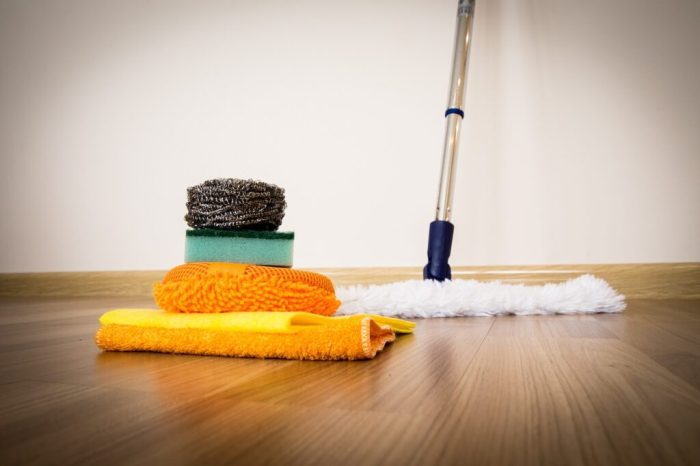
Japanese cleaning, often referred to asseiso*, goes beyond mere hygiene; it’s deeply intertwined with cultural values emphasizing respect for oneself, one’s surroundings, and the environment. This meticulous approach to cleanliness permeates daily life, from homes to workplaces, reflecting a dedication to order and harmony. The focus on maintaining a pristine environment isn’t simply aesthetic; it’s a fundamental aspect of Japanese societal norms.The principle ofkaizen*, continuous improvement, extends to cleaning practices, fostering a constant striving for better organization and tidiness.
This philosophy underscores the importance of proactive measures in preventing dirt and disorder rather than just reacting to it. This commitment to cleanliness reflects a strong cultural emphasis on maintaining a harmonious and aesthetically pleasing living space.
Key Values and Principles
Japanese cleaning emphasizes a holistic approach, focusing on maintaining a clean and organized environment as a way to foster a sense of peace and well-being. This goes beyond the physical act of cleaning; it’s a mindset that prioritizes order and harmony. It’s about proactively preventing dirt and disorder through consistent, meticulous upkeep. This proactive approach stems from a deep-seated respect for the environment and a desire to live in a serene and aesthetically pleasing space.
Organization and Tidiness
Organization and tidiness are paramount in Japanese culture. Every item has its designated place, contributing to a sense of calm and order. This meticulous approach to organizing space is not simply a matter of practicality; it’s a reflection of the Japanese emphasis on harmony and aesthetics. The visual appeal of an organized space is just as important as its functionality.
This emphasis on order extends to the way cleaning tools and supplies are stored. Storage solutions often integrate with the overall aesthetic of the space, further enhancing the sense of order and harmony.
Cleaning Tools and Materials
A variety of tools and materials are employed in Japanese cleaning practices. Traditional tools like
- chōzuya* (wash basins),
- sennin-zuke* (a type of brush for cleaning surfaces), and
- soba-zōshi* (small brooms for sweeping floors) are commonly used in homes. Modern tools, such as specialized cleaning cloths and spray bottles, are also incorporated into these practices. The selection of cleaning tools often considers both their efficacy and their aesthetic appeal, further reinforcing the cultural emphasis on aesthetics.
Traditional Cleaning Practices
Traditional Japanese cleaning practices often involve specific rituals and techniques. For example,
- omoni-soji*, or thorough cleaning, is performed at the start of each new year, symbolizing a fresh start and a commitment to cleanliness. Another notable practice is
- tsukimi*, or moon viewing, where cleaning is seen as a way to appreciate the beauty of the natural world and create a tranquil space. These rituals highlight the deep-seated connection between cleaning and cultural traditions.
Comparison of Japanese and Western Cleaning Methods
| Aspect | Japanese Cleaning | Western Cleaning |
|---|---|---|
| Tools | Traditional brushes, cloths, and brooms; emphasis on multi-functional tools. | Specialized tools for specific tasks; focus on efficiency and speed. |
| Frequency | Daily maintenance, with occasional thorough cleaning sessions. | More frequent cleaning, often daily or weekly, depending on the area. |
| Philosophy | Maintaining a harmonious and aesthetically pleasing environment; emphasizing prevention. | Removing dirt and grime; focusing on immediate results. |
Japanese Cleaning Supplies
Japanese cleaning supplies, renowned for their meticulous approach to hygiene and sustainability, represent a unique market segment. Their efficacy often stems from a blend of traditional craftsmanship, innovative materials, and a deep-seated cultural emphasis on maintaining a clean and orderly environment. This meticulous attention to detail extends beyond aesthetics, reflecting a broader societal commitment to environmental consciousness.Japanese cleaning supplies often prioritize effectiveness over harsh chemicals, emphasizing gentle yet thorough cleaning.
This focus on natural ingredients and sustainable practices aligns with a growing global trend towards environmentally friendly cleaning solutions. The unique characteristics of these supplies contribute to their distinctive appeal, differentiating them from conventional cleaning products.
Range of Japanese Cleaning Supplies
Japanese cleaning supplies encompass a wide variety of products, each designed for a specific purpose within the comprehensive cleaning routine. From specialized brushes for intricate surfaces to powerful yet biodegradable detergents, these supplies demonstrate a nuanced approach to maintaining cleanliness. The emphasis on specialized tools often results in greater efficiency and less waste compared to using a single, multi-purpose product.
Materials Used
Japanese cleaning supplies often employ natural materials, such as bamboo, wood, and plant-based fibers. These materials are known for their durability and biodegradability, contributing to a smaller environmental footprint compared to synthetic alternatives. Bamboo, for example, is a fast-growing renewable resource, while plant-based fibers often possess superior absorbency. The choice of material directly influences the cleaning supply’s performance and environmental impact.
Effectiveness Compared to Other Regions
While direct comparative studies are limited, Japanese cleaning supplies often demonstrate superior cleaning performance on delicate surfaces, due to their gentler approach. Their efficacy often comes from a combination of specialized formulations and the selection of materials that are gentler on surfaces and less harsh on the environment. This approach may not always translate to the same level of effectiveness in cleaning tougher stains, but often offers a superior balance between cleaning power and environmental impact.
Specific Cleaning Solutions and Uses
Numerous Japanese cleaning solutions are specifically formulated for particular cleaning tasks. For instance, some solutions are designed for removing stubborn dirt, while others are formulated to effectively disinfect surfaces without compromising the health of users or the environment. The specific use cases often dictate the formulation and ingredients of each solution. For example, specialized cleaning solutions are frequently used for delicate surfaces, like traditional wooden floors or lacquered furniture.
Table of Japanese Cleaning Supplies
| Product Type | Function | Ingredients |
|---|---|---|
| Bamboo Floor Brush | Gentle cleaning of wooden floors | Bamboo bristles, natural fibers, biodegradable detergent |
| Microfiber Cloth | Gentle cleaning of various surfaces | Microfiber, biodegradable detergent |
| Natural Dish Soap | Effective cleaning of dishes | Plant-based surfactants, essential oils |
| Glass Cleaner | Streak-free cleaning of glass surfaces | Natural solvents, plant extracts |
Organization Strategies for Cleaning Supplies
Japanese homes prioritize efficiency and space optimization, even in the seemingly mundane task of cleaning. This meticulous approach extends to the organization of cleaning supplies, reflecting a broader cultural emphasis on order and practicality. Effective storage solutions not only maintain a tidy home but also streamline cleaning routines, ensuring quick access to the necessary tools.Japanese cleaning supply organization is less about aesthetics and more about functionality.
The goal is to maximize storage space while ensuring rapid and easy retrieval of each item. This is achieved through a combination of clever storage solutions and a deep understanding of space utilization. The result is a clean, organized home that seamlessly integrates the cleaning process into daily life.
Common Storage Solutions
Japanese homes often employ a variety of storage solutions for cleaning supplies, reflecting the prioritization of space-saving techniques and easy access. Common solutions include wall-mounted systems, under-sink storage, and multi-tiered shelves. These strategies are designed to keep cleaning products organized and readily available.
Wall-Mounted Systems
Wall-mounted systems are a popular choice in Japanese homes, leveraging vertical space efficiently. These systems often include hooks, shelves, or specialized organizers that are affixed to walls, typically near cleaning stations or entryways. This eliminates clutter on countertops and floors, and the placement near entryways helps to keep supplies readily available. Examples include custom-designed wall-mounted units for storing various cleaning tools and solutions, and dedicated wall-mounted compartments for sponges, brushes, and other cleaning accessories.
Under-Sink Solutions
Under-sink storage is another popular solution, maximizing the often-unused space beneath sinks. This area is frequently optimized with pull-out shelves, drawers, or vertical dividers. These storage solutions allow for the efficient organization of larger cleaning supplies like bleach, detergents, and cleaning cloths. The use of clear containers helps in quick identification and reduces the time required to find the specific cleaning product needed.
Multi-Tiered Shelves
Multi-tiered shelves are commonly used to store cleaning supplies, especially in larger homes or spaces with dedicated cleaning areas. These shelves can be utilized to organize smaller cleaning supplies like cleaning cloths, brushes, and spray bottles. These systems often utilize clear containers or labeled boxes to keep items identifiable and easily accessible. This organized approach streamlines the cleaning process and prevents wasted time searching for the right item.
Vertical Storage
Vertical storage is a cornerstone of Japanese cleaning supply organization. It is a space-saving technique that maximizes vertical space by stacking items in a vertical orientation. This approach is used extensively in wall-mounted systems and multi-tiered shelving units, optimizing the use of every inch of available space. Vertical storage solutions are typically designed to be highly organized, facilitating quick and easy access to specific items.
Containers and Organizers
Containers and organizers play a critical role in maintaining neatness and accessibility. Clear containers and labeled boxes are essential for quick identification of cleaning supplies. These containers help maintain a tidy appearance and ensure that items are easily accessible. Furthermore, specialized organizers, designed to fit specific cleaning tools or products, improve the organization and prevent items from getting lost or misplaced.
Storage Solutions Comparison
| Storage Type | Space-Saving Features | Cost Considerations |
|---|---|---|
| Wall-mounted systems | Maximizes vertical space, keeps countertops clear | Can vary depending on custom design or pre-made options; may require professional installation |
| Under-sink solutions | Optimizes under-sink space, allows for easy access | Cost depends on the type of pull-out system or dividers; relatively affordable for standard solutions |
| Multi-tiered shelves | Provides ample storage space, adaptable to different cleaning supply needs | Cost depends on the size and material of the shelves; generally moderate to high |
Visual Representation of Japanese Cleaning Supply Organization
Japanese meticulousness extends beyond the kitchen and bathroom, encompassing the organization of cleaning supplies. A well-organized cleaning station not only streamlines the process but also fosters a sense of calm and efficiency, mirroring the Japanese concept ofshibui*, or understated elegance. This visual approach to storage elevates the mundane task of cleaning into a mindful practice.A Japanese-style cleaning supply storage area prioritizes visual appeal and functionality.
The design emphasizes minimalism, using a palette of neutral tones, often incorporating natural materials to create a calming atmosphere. This design approach enhances the overall aesthetic and encourages consistent use of the space.
Storage Area Layout
The storage area is typically situated in a dedicated space, either a designated corner or a cabinet. The layout is designed to maximize space and accessibility, ensuring each item is easily identifiable and readily available. Clear dividers and shelving units allow for a clear visual overview of the entire storage area, preventing clutter and making the process of locating a specific cleaning product a simple task.
Color Scheme and Materials
Neutral color palettes, like beige, gray, and muted greens, are prevalent, often complemented by accents of natural wood tones. These colors create a harmonious and calming environment. Materials frequently employed include natural wood, bamboo, or even recycled plastic, aligning with Japanese sustainability principles. The use of clear containers and shelves further enhances the visual appeal, allowing for an easy identification of cleaning supplies without needing to open containers.
Placement of Cleaning Supplies
Cleaning supplies are categorized and stored based on their function and frequency of use. Frequently used items are positioned within easy reach, while less frequently used items are stored higher up or in designated areas. The placement strategy ensures that every cleaning product is easily accessible, promoting smooth and efficient cleaning routines.
Containers and Organizers
The use of containers and organizers plays a crucial role in the organization. Clear plastic containers with labeled lids are common, allowing for an immediate visual understanding of the contents. Stackable trays and drawer dividers further optimize space utilization and keep the area neat and tidy. For example, a designated space for microfiber cloths, separated from the more abrasive scrub brushes, prevents mixing and maintains their effectiveness.
Visual Example: A Well-Organized Cleaning Supply Area
Imagine a 2-foot-by-3-foot storage cabinet, ideally positioned near the entrance to a multi-purpose room. The cabinet is constructed of light-brown wood. Inside, clear plastic containers, each labeled with the cleaning product, are organized by type (e.g., glass cleaner, floor cleaner, bathroom cleaner). These containers are stacked on shelves, with smaller, labeled trays for sponges, cloths, and other accessories.
Bamboo dividers maintain a clear separation between different categories. The cabinet’s overall aesthetic complements the room’s décor, creating a unified and harmonious space. This design prioritizes visual appeal, function, and ease of use, creating a truly functional and aesthetically pleasing storage solution.
Practical Tips for Organizing Japanese Cleaning Supplies
Japanese cleaning rituals prioritize meticulous organization, often achieving a near-Zen-like state of order in the home. This meticulous approach extends to cleaning supplies, reflecting a dedication to efficiency and a commitment to maintaining a clean and harmonious living environment. Optimizing storage space for these supplies is crucial to the overall process.Japanese organizing philosophies emphasize maximizing available space and minimizing clutter.
This extends to the storage of cleaning supplies, ensuring easy access and preventing the spread of germs. The following sections Artikel practical strategies for organizing Japanese cleaning supplies, focusing on space-saving techniques and meticulous labeling.
Space-Saving Techniques
Japanese households often utilize every inch of available space. Vertical storage is a cornerstone of this approach. Utilizing wall-mounted shelves, tall cabinets, and even utilizing the space above doors can maximize storage capacity without sacrificing valuable floor space. This often involves stacking items vertically, from smaller bottles to larger containers, using clear containers to easily identify contents.
Drawer dividers, specifically designed for various cleaning tools, are crucial for preventing clutter and ensuring quick retrieval.
Importance of Labeling and Categorization
Labeling each cleaning product is critical for quick identification and reduces the time spent searching for the right item. Using clear, concise labels ensures easy retrieval and reinforces the overall system. Categorizing supplies by type, frequency of use, or cleaning area facilitates quick access and maintains the flow of the cleaning process. A dedicated cleaning area with labeled storage helps maintain the overall system and the workflow.
Maximizing Vertical Space and Drawer Dividers
Vertical space maximization involves strategically using tall cabinets or shelving units, which often feature adjustable shelves for flexible storage. Consider stacking smaller bottles on top of larger containers to maximize the vertical space effectively. Drawer dividers, specifically designed for cleaning tools, ensure that each tool has its designated place, preventing tools from colliding and damaging each other, while ensuring efficient storage of each item.
Clear containers are essential to easily identify cleaning supplies.
Keeping Cleaning Supplies Clean and Preventing Germ Spread
Maintaining a clean environment for cleaning supplies is paramount. Using airtight containers or resealable bags prevents spills and contamination. Cleaning supplies should be stored in a designated area, away from food items, and cleaned regularly to maintain hygiene and prevent the spread of germs. Proper ventilation and a dry environment are critical for avoiding mildew or mold growth, which can contaminate cleaning solutions and spread unpleasant odors.
This focus on hygiene is central to Japanese cleaning principles.
Maintaining an Organized Cleaning Supply Area
A well-maintained cleaning supply area is crucial for efficiency and maintaining the flow of the cleaning process. Regular inventory checks help ensure that essential supplies are replenished promptly. Cleaning and disinfecting storage containers or shelves is essential to prevent the build-up of dirt, dust, and grime. Regular organization prevents items from getting misplaced and maintains the flow of the cleaning process.
- Regular Inventory Checks: Regularly check the stock of cleaning supplies to ensure essential supplies are replenished promptly. This prevents unexpected shortages and maintains the workflow.
- Cleaning and Disinfecting Storage Containers: Cleaning and disinfecting storage containers or shelves is essential to prevent the build-up of dirt, dust, and grime, which can contaminate cleaning solutions.
- Designated Storage Area: A designated area for cleaning supplies, away from food items, is crucial for maintaining hygiene and preventing contamination.
- Proper Ventilation and Dry Environment: Ensuring proper ventilation and a dry environment in the storage area is crucial to prevent mold and mildew growth, which can contaminate cleaning solutions and create unpleasant odors.
- Airtight Containers: Use airtight containers or resealable bags to prevent spills and contamination of cleaning solutions.
Modern Interpretations of Japanese Cleaning Supply Organization
The enduring appeal of Japanese cleaning practices extends beyond traditional aesthetics. Modern interpretations embrace the core principles of efficiency, minimalism, and visual harmony while adapting to contemporary lifestyles and incorporating technological advancements. This evolution allows for a seamless integration of traditional wisdom with modern conveniences, resulting in practical and aesthetically pleasing organization systems.Contemporary interpretations of Japanese tidiness prioritize a holistic approach to maintaining order in the home.
This involves not just the placement of cleaning supplies but also the mindful selection of products and the integration of storage solutions that reflect a deep respect for the space and its functionality.
Adapting Traditional Practices to Contemporary Living
Modern interpretations of Japanese cleaning practices often involve streamlining processes. This might involve grouping cleaning supplies based on frequency of use or the room in which they are employed, rather than strictly adhering to the traditional categories. For example, instead of separate categories for floor and surface cleaners, a modern approach might group all cleaning agents for hard surfaces, including those for floors, counters, and sinks, together for ease of access and use.
This practical adaptation prioritizes efficiency over strict adherence to traditional structures.
Incorporating Japanese Principles into Contemporary Storage Solutions
Japanese principles of minimalism and visual harmony are easily integrated into contemporary storage solutions. These principles emphasize the use of visually appealing storage solutions, often with transparent containers to showcase the items within. The utilization of minimalist, neutral-toned storage containers, made of materials like bamboo or clear plastic, allows for an unobstructed view of the contents. This promotes a sense of calm and order.
For example, instead of a bulky cabinet, a stylish open shelving unit, using clear containers, can hold cleaning supplies and enhance the visual appeal of a room.
Combining Japanese and Western Cleaning Practices for Efficiency
Combining Japanese and Western cleaning practices can enhance efficiency. Western methods often focus on specific tasks and timeframes. Japanese principles, on the other hand, emphasize a holistic and preventative approach to cleanliness. By combining these, one might schedule daily quick cleanings, mirroring the Japanese approach to maintenance, and then allocate a more thorough, Western-style cleaning session weekly.
This integration optimizes time spent on cleaning, achieving both efficiency and thoroughness.
Integrating Technology into Cleaning Supply Organization
Technological advancements provide modern solutions for organizing cleaning supplies. Smart containers, for example, can be used to track cleaning schedules and remind users of when specific cleaning tasks are due. Digital inventory systems can maintain an accurate count of cleaning supplies, helping to prevent over-ordering or running out of essential products. These integrations leverage technology to further streamline and optimize the cleaning process, ensuring supplies are readily available and used effectively.
Modern Storage Solutions Inspired by Japanese Organization Principles
Modern storage solutions inspired by Japanese principles include:
- Modular shelving systems: These systems allow for flexible storage and easy reconfiguration based on changing needs, promoting the Japanese principle of adaptability. This allows users to adjust the storage space to suit different cleaning needs and frequency.
- Wall-mounted organizers: Maximize vertical space and maintain a clean, uncluttered floor. This approach aligns with the Japanese emphasis on space optimization, a key component of maintaining order. These wall-mounted systems can accommodate various types of cleaning supplies and reduce the need for bulky storage units.
- Transparent containers and bins: Enable easy visual identification of cleaning supplies. The transparency of the containers helps maintain an uncluttered aesthetic, as well as allowing a clear view of what is inside, aiding in inventory management and contributing to the Japanese concept of visual organization.
Maintenance and Sustainability of Organized Cleaning Supplies
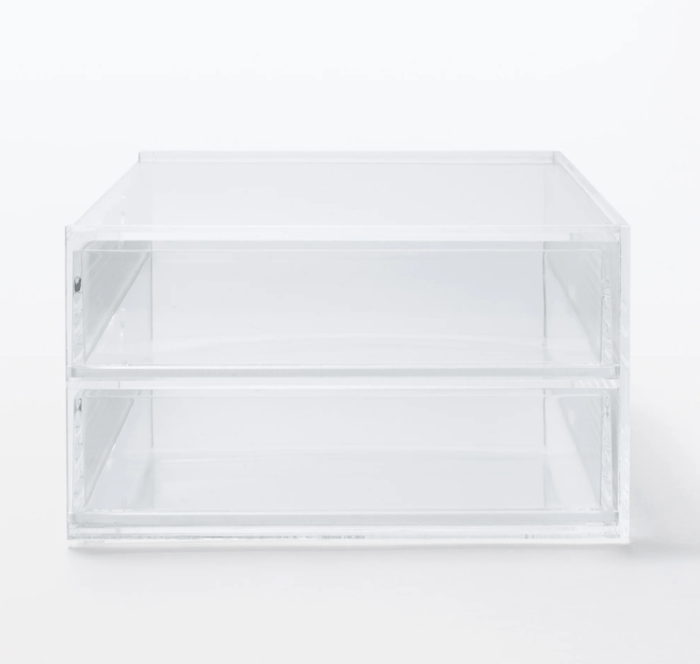
Maintaining a meticulously organized cleaning supply area is not a one-time effort; it requires ongoing vigilance and proactive strategies. A well-organized space not only streamlines cleaning tasks but also reduces the environmental impact of cleaning products. This sustained organization relies on practical maintenance, thoughtful storage choices, and a commitment to sustainable practices.Proactive maintenance is key to preserving the aesthetic appeal and functionality of an organized cleaning supply system.
Consistent effort ensures that the system remains efficient, preventing clutter and maximizing the lifespan of both storage solutions and cleaning products. This also contributes to a cleaner, more efficient home, as cleaning supplies are readily available and easily accessible.
Regular Cleaning and Maintenance of Storage Solutions
Regular cleaning of storage containers and shelves is crucial for maintaining an organized cleaning supply area. This prevents the buildup of dust, grime, and spills, which can compromise the structural integrity of storage units and detract from the aesthetic appeal of the space. Proper cleaning also eliminates the breeding ground for mold and mildew, preventing potential health hazards and maintaining the overall hygiene of the area.
Routine maintenance also ensures that the labels remain readable, helping maintain the organization.
Optimizing Cleaning Supply Condition and Preventing Damage
Preventing damage to cleaning supplies is essential for their longevity and effectiveness. Proper storage conditions, such as temperature control and protection from direct sunlight, are critical for maintaining the quality of cleaning products. Inspecting cleaning products regularly for signs of deterioration, such as discoloration, leakage, or changes in consistency, can help prevent their deterioration. Storing cleaning supplies in appropriate containers and away from extreme temperatures and direct sunlight also prevents damage and ensures their continued effectiveness.
For example, storing bleach in a cool, dark cabinet can extend its shelf life and prevent its degradation.
Recycling and Reuse of Cleaning Supply Containers
Recycling and reusing cleaning supply containers are vital aspects of a sustainable approach to cleaning supply organization. Many cleaning product containers can be recycled through local programs, reducing waste and minimizing the environmental impact. For instance, plastic spray bottles can often be recycled, while glass bottles can be repurposed for storage or decorative purposes. When feasible, consider using reusable containers for cleaning supplies, reducing the need for single-use packaging.
This is not only good for the environment but also saves money in the long run.
Sustainable Practices in Cleaning Supply Organization
Sustainable practices in cleaning supply organization extend beyond recycling and reuse. Choosing eco-friendly cleaning products is another key element. Many eco-friendly cleaning products are available that are formulated with natural ingredients and are biodegradable. This reduces the use of harsh chemicals, minimizing environmental damage. Prioritizing the use of reusable cleaning cloths or microfiber mops further promotes sustainability.
Ultimately, a sustainable approach to cleaning supply organization promotes a cleaner, healthier home environment while minimizing the environmental footprint.
Cleaning Supply Organization for Specific Spaces
Japanese cleaning principles, emphasizing meticulous organization, extend beyond general strategies to encompass specific areas of the home. This targeted approach ensures optimal cleaning efficacy and a harmonious living environment. By tailoring organization to individual spaces, homeowners can maximize efficiency and maintain a clutter-free, easily accessible cleaning arsenal.The key to effective cleaning supply organization in different areas lies in understanding the unique needs and usage patterns of each space.
Bathrooms, kitchens, and living rooms, for example, require varying storage solutions and product categorizations to maintain both cleanliness and ease of access. Strategic placement of cleaning supplies, keeping in mind frequency of use and the specific tasks associated with each room, is crucial for a streamlined cleaning routine.
Bathroom Cleaning Supply Organization
Bathroom cleaning often involves specialized products and frequent maintenance. Efficient storage is paramount for preventing product damage and maintaining hygiene. A combination of wall-mounted organizers, drawer dividers, and over-the-door storage solutions can effectively maximize vertical space and minimize clutter. For instance, a clear, stackable container system can house different cleaning solutions, while smaller containers or labeled bottles can hold specialized cleaning tools.
Considering the need for quick access to specific items, such as bleach or disinfectants, is critical for a streamlined cleaning process.
Kitchen Cleaning Supply Organization
Kitchens demand a high level of cleanliness and often require a diverse range of cleaning products. Organization in this space focuses on accessibility and easy access to frequently used items. Pull-out shelves or drawers dedicated to cleaning supplies can make items easily reachable. Categorizing cleaning products by function (e.g., dish soap, glass cleaner, oven cleaner) is crucial.
Using clear containers to visualize the contents is an important consideration. Furthermore, dedicated areas for specialized cleaning tools, such as scrubbing brushes and sponges, are essential for both hygiene and organization.
Living Room Cleaning Supply Organization
Living rooms require a more subtle approach to cleaning supply organization. The goal is to maintain a clean, tidy space while keeping cleaning supplies discreetly stored. Utilizing hidden storage solutions, such as cabinet drawers or under-furniture storage compartments, is highly effective. Keeping cleaning supplies in a designated caddy or basket, which can be easily stored when not in use, maintains a clutter-free living area.
Frequent cleaning tasks, such as dusting or vacuuming, should have their associated supplies easily accessible.
Comparative Table of Cleaning Supply Organization
| Room | Storage Solutions | Product Types | Frequency of Use |
|---|---|---|---|
| Bathroom | Wall-mounted organizers, drawer dividers, over-the-door storage, clear containers | Disinfectants, bleach, glass cleaners, scrub brushes, sponges | High |
| Kitchen | Pull-out shelves, drawers, clear containers, labeled bottles | Dish soap, glass cleaner, oven cleaner, scrubbing brushes, sponges | Medium to High |
| Living Room | Hidden storage, caddies, baskets, under-furniture storage | Dusting cloths, vacuum cleaner attachments, furniture polish | Low to Medium |
Cleaning Supplies and Their Aesthetic Appeal
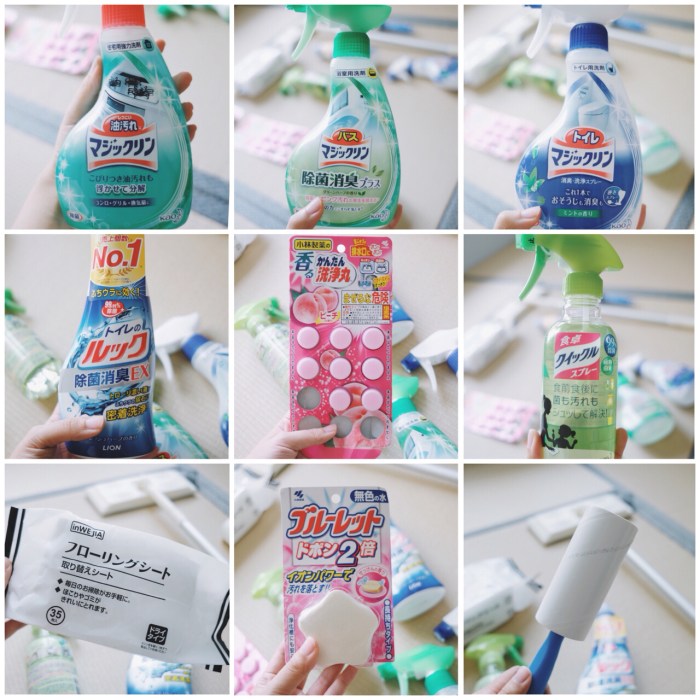
Japanese cleaning culture prioritizes not just efficacy but also the aesthetic experience of the cleaning process. This meticulous approach extends to the visual presentation of cleaning supplies, integrating them seamlessly into the overall home environment. The selection and arrangement of cleaning products are not mere practical considerations but opportunities to cultivate a harmonious and aesthetically pleasing space.The visual appeal of Japanese cleaning supplies is deeply rooted in the philosophy ofshibui*, a concept encompassing understated elegance, simplicity, and quiet sophistication.
This ethos manifests in the choice of materials, colors, and designs, creating a calming and uncluttered atmosphere. Aesthetics are not just about looks, but also about the feeling the space evokes, fostering a sense of tranquility and order.
Aesthetic Qualities of Japanese Cleaning Supplies
Japanese cleaning supplies often feature muted colors, favoring natural tones like beige, gray, and muted greens and blues. These colors are chosen to blend seamlessly with the home’s décor, avoiding jarring contrasts that disrupt the visual harmony. Materials frequently include natural fibers like bamboo, wood, and recycled plastic, reflecting a commitment to sustainability and a connection to nature.
The design emphasizes functionality and minimalism, ensuring that the tools are not only effective but also visually appealing.
Role of Color, Material, and Design
Color palettes in Japanese cleaning supply design often mimic nature, evoking a sense of tranquility and connection to the surrounding environment. The muted colors contribute to a calming ambiance, creating a space where the cleaning process is not just functional but also soothing. The choice of materials like bamboo or recycled plastic aligns with the Japanese emphasis on sustainability, adding another layer of aesthetic appeal.
Simple, uncluttered designs further enhance the aesthetic experience, promoting a sense of order and clarity. For instance, a set of bamboo cleaning brushes, with natural bristles and a muted gray finish, would blend seamlessly with a minimalist living space.
Incorporating Aesthetic Storage Solutions
Storage solutions for cleaning supplies can be designed to complement the aesthetic sensibilities of the Japanese approach. Open shelving units with minimalist designs, showcasing items in a thoughtful arrangement, can integrate cleaning supplies into the overall home decor. Alternatively, translucent storage containers allow the contents to be visible while maintaining a sense of order and clarity. Consider using baskets made from natural materials, like woven bamboo or rattan, to store cleaning products and tools.
These solutions not only organize supplies but also contribute to a visually pleasing and harmonious cleaning space.
Visual Enhancement of Cleaning Supply Organization
The organization of cleaning supplies can be visually enhanced by using a color-coding system or grouping items by category. For instance, placing all cleaning products for surfaces in one area and all cleaning products for floors in another area, each with their own distinct, but complementary color scheme, creates a clear and organized visual representation. The use of decorative elements, like small, aesthetically pleasing containers, can further elevate the visual appeal of the cleaning area.
These elements add a personal touch, ensuring that the cleaning space is not just functional but also enjoyable.
Impact on the Overall Cleaning Experience
Aesthetically pleasing cleaning supplies and storage solutions can significantly enhance the overall cleaning experience. By integrating cleaning products into the home’s décor, the process is no longer viewed as a chore, but rather as an opportunity to create a harmonious and pleasing space. The sense of order and visual appeal contributes to a more positive and enjoyable experience, potentially encouraging more frequent and thorough cleaning.
Ultimately, a well-designed and aesthetically pleasing cleaning space promotes a more sustainable and fulfilling lifestyle.
The Benefits of a Clean and Organized Cleaning Supply Area
A well-organized cleaning supply area transcends mere practicality; it fosters a positive mindset and enhances daily efficiency. This meticulous approach isn’t just about tidiness; it’s about cultivating a space that promotes a sense of calm and control, significantly impacting both personal well-being and overall productivity.A thoughtfully organized cleaning area is more than just a storage space; it’s a strategic asset that streamlines the entire cleaning process.
This optimized setup reduces wasted time and mental energy, transforming a potentially tedious chore into a more manageable and even enjoyable experience.
Psychological Benefits of Organization
A clean and organized cleaning supply area fosters a sense of control and order, which directly impacts mental well-being. This sense of control extends beyond the physical space, contributing to a more balanced and less stressed overall outlook. A clutter-free environment can reduce feelings of overwhelm and promote a more positive association with cleaning tasks. The visual appeal of a well-organized space also contributes to a more calming and less stressful environment, potentially reducing anxiety and improving overall mood.
Practical Benefits of Organization
A well-organized cleaning supply area directly impacts efficiency and reduces wasted time. Having supplies readily accessible minimizes the time spent searching for specific items, allowing for a more focused and productive cleaning session. This increased efficiency not only saves time but also enhances the effectiveness of cleaning, as the focused approach prevents the distraction of searching for supplies.
Reduced search time leads to more effective and quicker cleaning tasks. An example is a professional cleaning service; the faster the cleaning supplies can be accessed and used, the more jobs can be completed.
Impact on Efficiency and Stress Reduction
The streamlined access to cleaning supplies provided by an organized area translates directly into increased efficiency. A well-organized system minimizes the time spent searching for items, allowing for a more focused and efficient cleaning process. This streamlined approach reduces stress by eliminating the frustration of a disorganized area. This, in turn, promotes a more positive and less stressful experience during the cleaning process.
Organization and Positive Cleaning Experience
A well-organized cleaning area fosters a positive cleaning experience. The ease of access to supplies, combined with the visual appeal of an organized space, can transform the act of cleaning from a chore into a more manageable and even enjoyable activity. This positive association can motivate individuals to maintain a consistent cleaning routine, leading to a cleaner and healthier environment.
This positive feedback loop reinforces the positive cleaning experience and cultivates a cleaner, healthier environment.
Examples of Increased Productivity
A well-organized cleaning supply area directly impacts productivity by minimizing wasted time and maximizing efficiency. This streamlined approach reduces the time spent searching for specific supplies, allowing individuals to focus on the cleaning task itself. For example, a household with children can significantly benefit from an organized cleaning supply area, allowing parents to more quickly and effectively clean up messes.
An organized cleaning space also contributes to a more efficient work environment for professional cleaners, enabling them to perform tasks faster and more effectively.
Calming Atmosphere Through Organization
A well-organized cleaning supply area creates a more calming and less stressful environment. The visual appeal of a clutter-free and well-organized space contributes to a sense of peace and control. This sense of order and control translates into a more balanced and less stressed overall outlook. The reduction in stress related to a cluttered environment leads to a more focused and calm atmosphere during cleaning.
Illustrative Examples of Japanese Cleaning Supply Organization
Japanese households and businesses often prioritize meticulous organization of cleaning supplies, extending beyond mere tidiness to encompass efficiency and aesthetic appeal. This meticulous approach stems from a deep-rooted cultural emphasis on maintaining order and harmony in all aspects of life. The careful arrangement of cleaning products reflects a commitment to streamlining cleaning routines and maximizing the effectiveness of each item.The diverse approaches to cleaning supply organization in Japan are tailored to specific spaces and functions, highlighting the adaptable nature of these methods.
These examples illustrate how careful consideration of storage solutions, material choices, and product placement can transform a cleaning supply area from a chaotic jumble into a streamlined and visually appealing workspace.
Home Cleaning Supply Organization
Japanese homes often feature dedicated cleaning pantries or designated areas within a larger storage space. These areas frequently incorporate open shelving, maximizing visibility and accessibility. The shelves are often lined with labeled containers or baskets, holding various cleaning products categorized by function. Materials used for containers are often transparent, allowing easy identification of the contents. A typical example might include a clear plastic bin for all-purpose cleaners, a separate container for glass cleaners, and another for specialized floor cleaners.
A visual representation would show a well-lit area with various colored containers neatly stacked on shelves, each clearly marked with labels.
Small Business Cleaning Supply Organization
Small businesses, particularly those focused on maintaining a clean and organized work environment, often use wall-mounted shelves or cabinets to store cleaning products. The layout often prioritizes ease of access and visibility for quick retrieval during cleaning tasks. The containers used might be color-coded or labeled according to the specific cleaning task or area of the business. For instance, one cabinet might hold floor cleaning solutions, while another houses restroom cleaners.
A small business might use a variety of cleaning supplies including various spray bottles, sponges, and cleaning cloths. The example would show a brightly lit small office or shop with well-organized cleaning supplies in clearly marked containers on wall-mounted shelves or cabinets.
Commercial Cleaning Supply Organization
Large commercial spaces, such as office buildings or hotels, employ more complex organizational systems. Specialized storage units, such as rolling carts or cabinets, might be used to house cleaning supplies. Each cart or cabinet would be designated for a particular cleaning area or function. Products are typically stored in labeled containers and organized by category, with a clear and concise labeling system for easy identification and inventory control.
These spaces might use a wide array of cleaning supplies including industrial-strength detergents, mops, and specialized equipment. A visual representation would show a well-organized cleaning supply room with rolling carts and cabinets labeled with designated cleaning areas, each stocked with the necessary cleaning supplies.
Table of Organized Cleaning Supply Areas
| Space | Type of Space | Key Organization Features |
|---|---|---|
| Cleaning Pantry | Home | Open shelving, labeled containers, transparent materials, categorized by function |
| Small Business Cabinet | Small Business | Wall-mounted shelves, color-coded or labeled containers, categorized by task/area |
| Commercial Cleaning Room | Commercial | Specialized storage units (rolling carts, cabinets), labeled containers, categorized by area/function, inventory control |
Final Review
Ultimately, organizing Japanese cleaning supplies is not just about storage; it’s about cultivating a mindful approach to home maintenance. This meticulous system offers a pathway to a more efficient, aesthetically pleasing, and ultimately, more satisfying cleaning experience. The principles of order, respect for materials, and a focus on sustainable practices are key takeaways, demonstrating the enduring value of Japanese cleaning culture.
